How to Get a Bachelors Degree Abroad
Navigating the path to securing a undergraduate degree in a foreign country demands thoughtful attention to multiple factors. Students must evaluate institutions and nations based on learning quality, scholarship availability, and cultural alignment. Being aware of visa prerequisites is critical for a smooth changeover. Still, information the adventure encompasses much more than planning. Adapting to new environments and maintaining connections with home serve as key elements in influencing the student experience. What hurdles and prospects are in store for those pursuing this route?
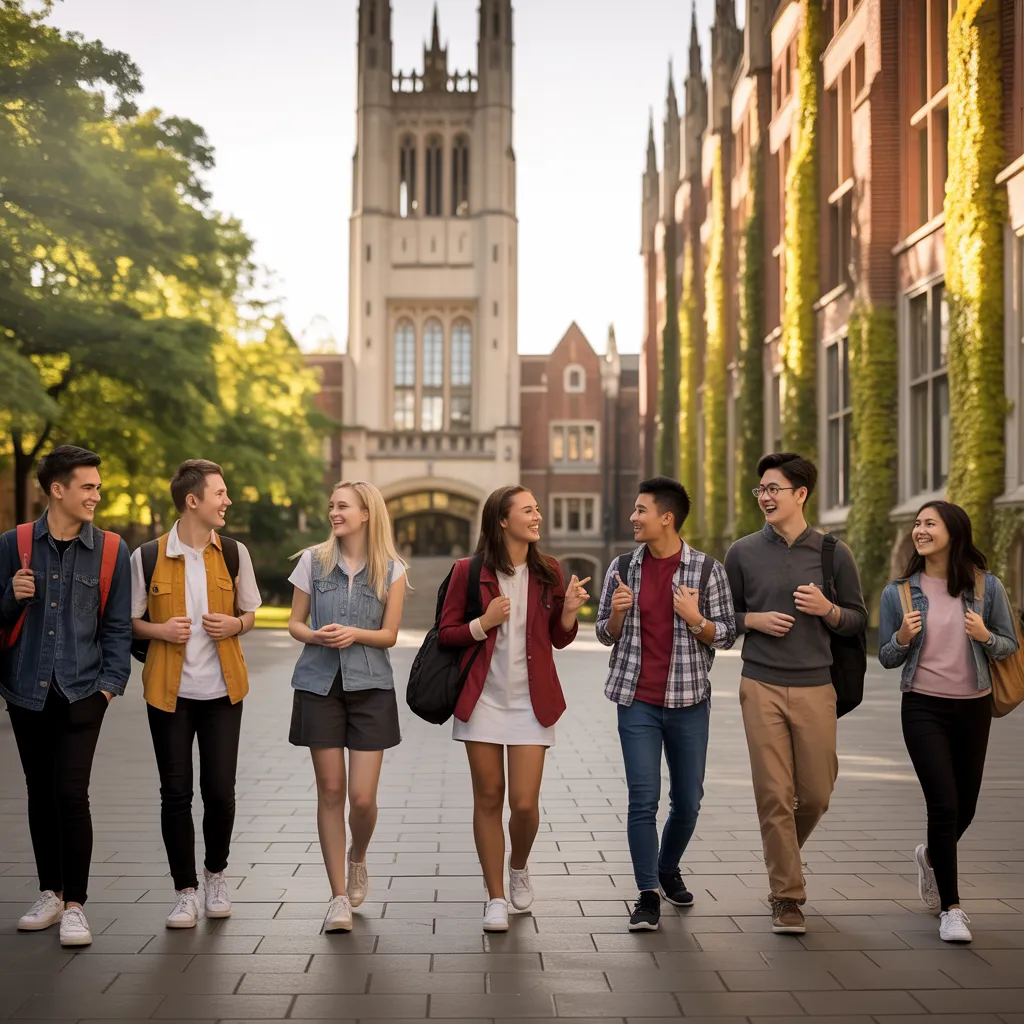
What Important Factors Should You Think About When Picking a Country?
When deciding on a destination for a bachelor's degree abroad, what key factors should one consider? To begin, the quality of education is the highest priority; future students ought to investigate institutional rankings, instructor expertise, and the coursework's alignment to their area of study. Furthermore, language is a significant factor; students must evaluate whether they are at ease learning in the regional language or if programs in English are available.
Cultural compatibility is another important consideration; understanding the society, customs, and lifestyle can greatly influence the overall experience. Additionally, safety and political stability are essential considerations; students should explore the country's reputation for safety and the current political climate. In addition, distance from home and travel possibilities can impact individual preferences and overall contentment. Through thoughtful evaluation of these considerations, students can reach educated decisions that resonate with their academic and personal ambitions.
How to Acquire Funding and Scholarships for an International Study Experience
Obtaining financial aid and scholarships is crucial for students considering a bachelor's degree abroad. Multiple scholarship options are available, catering to different needs and qualifications, and being aware of these choices can considerably boost financial feasibility. Furthermore, employing proven application techniques can enhance the probability of success in the challenging scholarship arena.
Types Of Scholarships Available
While obtaining a baccalaureate degree abroad represents an enriching opportunity, understanding the types of scholarships available is essential for managing costs. A wide range of scholarships address diverse needs and situations. Merit-driven scholarships honor superior academic achievement, while need-driven scholarships aid students experiencing financial hardship. Certain universities provide dedicated scholarships for international students to promote inclusivity. Furthermore, government-funded scholarships, such as Fulbright or Chevening, provide considerable support for study abroad. Private organizations and foundations also contribute funding through scholarships aimed at specific fields or regions. Finally, some countries offer scholarships to attract foreign talent, making higher education more accessible. Investigating these opportunities can significantly reduce the financial strain of international education.
Helpful Tips For Application Success
Navigating the scholarship application process can considerably boost a student's prospects for receiving funding for international study. To improve their prospects, students should begin by researching various scholarships that correspond to their educational objectives and individual circumstances. Crafting a compelling personal statement is crucial; it should effectively communicate motivations and aspirations. In addition, acquiring compelling endorsements from mentors or professors can provide valuable support. Students must also pay close attention to application timelines and criteria, making certain all documents are delivered on time. Moreover, showcasing relevant experiences, such as community service or work placements, can distinguish a candidate. Finally, keeping a systematic method allows for diligent monitoring of submissions and responses, ultimately increasing the chances of receiving financial aid.
Navigating Visa Requirements for Your Selected Country
Understanding visa requirements is vital for students who plan to pursue international education. Numerous countries maintain distinct types of student visas, each featuring unique requirements and application procedures. Working through these regulations can significantly affect a student's opportunity to advance their education abroad.
Categories Of Student Visas
Navigating the world of student visas is vital for individuals planning a bachelor's degree abroad. Countries around the world have different categories of student visas, all featuring unique criteria and benefits. For instance, the F-1 visa in the United States enables students to undertake full-time studies, while the Tier 4 visa in the United Kingdom fulfills a comparable role. Some countries, like Canada and Australia, offer dedicated visas allowing students to engage in part-time employment while studying. Moreover, certain nations may have specific requirements based on the duration of the course or the accreditation status of the institution. Understanding these differences is fundamental for students planning to study abroad to secure proper compliance and identify the most suitable visa for their course of study.
Overview of the Application Process
Navigating the application process for a student visa requires careful attention to the specific requirements of the chosen country. Every country has distinct regulations, documentation, and timelines that must be followed. Typically, applicants need to gather essential documents such as proof of admission, financial statements, and health insurance. Furthermore, certain nations may also request a language proficiency test or a medical examination.
It is essential for prospective students to initiate the application process well in advance, as visa processing times can fluctuate considerably. It is equally important to become familiar with the embassy or consulate's guidelines, as they provide detailed instructions and any updates on requirements. In the end, careful and thorough preparation ensures a more seamless transition to studying abroad.
How to Choose a University That Aligns With Your Goals?
What is the best way to select a university that matches one's academic and professional goals? First, individuals should identify their specific goals, including desired majors and career paths. Exploring universities that provide excellent curricula in those particular fields is a critical step. Prospective enrollees can make use of web-based resources, scholarly rankings, and alumni communities to gauge the caliber of academic instruction available.
Moreover, aspects like campus culture, location, and extracurricular opportunities must be evaluated. A welcoming environment can substantially elevate the complete university experience. Moreover, potential enrollees should consider the institution's relationships with sectors pertaining to their areas of study, as networking opportunities and internships can prove essential to future career success.
Finally, considering monetary factors, including academic fees and accommodation costs, is crucial. By weighing these factors, individuals can make informed decisions that correspond with their ambitions, guaranteeing a rewarding and productive educational experience overseas.
Adjusting to Cultural Distinctions in Your New Surroundings
When adapting to a new culture can be daunting, embracing the differences can lead to meaningful discoveries. Individuals studying abroad often encounter distinctive traditions, languages, and community behaviors that may feel challenging at the outset. To navigate these cultural shifts, it is important to face novel circumstances with an receptive attitude and a readiness to discover. Interacting with community members, participating in cultural events, and building connections with native inhabitants can foster deeper understanding and appreciation of the surrounding culture.
In addition, striking a equilibrium between protecting one's own cultural identity and adjusting to the new environment is of great importance. Open communication and curiosity can help narrow cultural divides and alleviate feelings of alienation. As individuals accept the uncharted, they often develop inner resilience and remarkable adaptability, attributes that are immensely valuable both for personal growth and professional advancement. When all is considered, these transformative experiences can deepen one's learning and widen their perspective, making the pursuit of international education remarkably life-changing.
What Can You Expect While Studying Abroad?
Studying abroad offers a remarkable mix of enthusiasm and unfamiliarity, as students often find themselves in foreign academic and social settings. Students might experience diverse instructional approaches, which could range from collaborative group work to self-directed studies. Students should be prepared for diverse standards related to involvement and due dates.
On a social level, the transition can be profoundly meaningful. New bonds and connections may develop, but adapting to varied cultural expectations and ways of communicating can prove to be challenging. In the beginning, students might struggle with loneliness or homesickness, but such emotions tend to fade as they settle into their adopted communities.
Moreover, dealing with everyday life, for instance getting accustomed to the local transit system and cultural norms, can be intimidating yet enriching. Students will likely develop critical thinking abilities and adaptability as they adjust to these new circumstances. In the end, the journey fosters self-development and a wider perspective, making every obstacle worth overcoming.
Ways to Keep in Touch With Home While Studying
Keeping in contact with loved ones during foreign studies is essential for emotional well-being and support. Learners can leverage modern technology to close the gap, using video conferencing, chat applications, and social media channels to document experiences and ensure dear ones remain in the loop. Arranging frequent communication sessions can build a soothing pattern, making it easier to navigate the challenges of studying in a new environment.
Furthermore, students should consider joining nearby expatriate networks or communities, which can provide a community of support and shared experiences. Dispatching postcards or care packages can also fortify bonds and create a concrete connection to their homeland. Taking part in cultural pursuits that bring them closer to their origins, such as making traditional dishes or marking holidays, promotes a sense of community. By actively maintaining these connections, students can elevate their overall international study experience, guaranteeing they feel supported and less alone during their educational journey.
Frequently Asked Questions
Which Countries Are Ideal for International Students?
A number of countries are well known for attracting international students, including Canada, Australia, Germany, the United States, and the United Kingdom. Such destinations present varied academic programs, unique cultural encounters, and valuable opportunities for both personal and scholarly advancement.
How Do I Find Student Accommodation Abroad?
To discover international student lodging, students should investigate college housing resources, online housing platforms, and local listings. Connecting with other students and requesting advice can likewise deliver valuable insights into fitting accommodation choices.
Is It Possible to Work While Studying Abroad?
Certainly, many international students can work while studying abroad, depending on the applicable visa requirements. Working part-time can provide beneficial professional experience and help with day-to-day expenses, but juggling study and work responsibilities remains vital for maintaining strong academic performance.
What Health Insurance Do I Need for Studying Abroad?
Students studying abroad generally need thorough medical insurance that includes coverage for repatriation, hospitalization, and medical emergencies. It is important to check the host country's requirements and confirm the plan covers coverage for ongoing medical needs and pre-existing conditions.
How Can I Enhance My Language Abilities Before Departing?
To develop linguistic proficiency before going abroad, one should participate in consistent practice through online courses, apps, language exchange programs, and interactive experiences with native speakers. Studying books and viewing films in the target language also proves highly beneficial.